
Distance and time
The vessel keeps the distance the rules require and limits the time spent with each group of whales. If a whale approaches on its own, the captain keeps the vessel calm and does not follow it.
Whale season · Banderas Bay
Humpback whales visit Banderas Bay roughly from December to March. On a private yacht you head out with just your group, at your own pace, and the captain watches the whales under Mexico's federal approach rules.

01The season
Every winter, North Pacific humpback whales leave their cold-water feeding grounds and travel to warmer waters such as Banderas Bay.
Here they mate, give birth and nurse their calves before heading north again. The exact dates shift from year to year, which is why we speak of an approximate season from December to March. Outside those months sightings are unlikely, but the bay still offers snorkeling, beaches and sunsets.

02What to expect
No two sightings are alike. These are some of the behaviors people watch for during the season.
Nobody can promise a sighting: it depends on nature, the weather and how the animals behave that day.

03Responsible viewing
In Mexico, whale watching is regulated by federal rules that set, among other things, how close boats may get and how long they may stay. The captain follows them on every outing.
The vessel keeps the distance the rules require and limits the time spent with each group of whales. If a whale approaches on its own, the captain keeps the vessel calm and does not follow it.
The rules do not allow swimming, diving or snorkeling with whales, or touching or feeding them. Snorkeling is saved for other stops, such as Los Arcos.
When several boats gather near the same group of whales, the rules limit how many may watch at once. The captain waits for a turn or looks for another group.
Regulations can change from one season to the next. The captain follows the rules in force and has the final say on anything related to safety.
04The vessel
What matters most is a high vantage point, a steady deck and enough room for your group.

Flybridge motor yacht

Flybridge motor yacht

Classic flybridge yacht
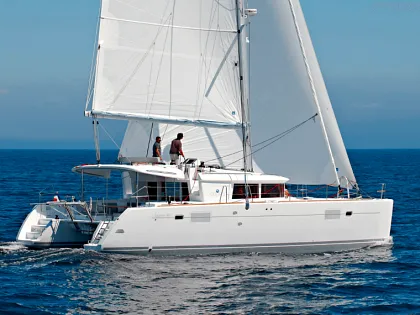
Sailing catamaran

Sailing catamaran

Flybridge motor yacht
05Tips
Sunscreen, a hat, sunglasses and a light layer for the breeze. If you get seasick easily, talk to your doctor before you go.
A breach is over in an instant. A fully charged phone, a waterproof case and, if you have them, binoculars all help.
Pair whale watching with snorkeling at Los Arcos, a south-shore beach or the sunset, so the day is a good one even if the whales stay out of sight.
Experiences at seaCommon questions
Roughly December to March. During those months humpback whales come to Banderas Bay to mate and raise their calves. The exact dates change every year, so it is worth checking your date with us; outside the season, sightings are unlikely.
No, nobody can promise a sighting. Whales are wild animals, and whether they appear depends on nature, the weather and sea conditions. That is why it makes sense to pair the outing with snorkeling, a beach stop or the sunset, so you enjoy the day either way.
As close as Mexico's federal rules allow; they set the distance and viewing time for boats, and the captain respects them at all times. Sometimes a whale approaches on its own, and when that happens the vessel stays calm and does not follow it.
No. The whale-watching rules do not allow swimming, diving or snorkeling with whales, or touching or feeding them. If you want to get in the water, the captain can take you to another stop, such as Los Arcos, where snorkeling follows its own rules.
One with a flybridge for a higher view, or a catamaran for its wide, stable deck. Your group size and departure point matter too. The Bayliner 43 or one of our catamarans are good options, and we can help you choose for your date.
Yes. Whales move throughout the bay, on both the Jalisco and the Nayarit side, and vessels depart from Puerto Vallarta, Nuevo Vallarta and La Cruz de Huanacaxtle. The captain decides where to head based on conditions on the day.
Sunscreen, a hat, sunglasses, a light layer for the breeze and a camera or charged phone. Snorkeling gear is already included on every vessel. If you get seasick easily, talk to your doctor before the outing.
Tell us how many people are coming and what you would like to do on the water. We check which vessels are available and send their details in writing.
Just have a question? Use the contact page — no booking needed. Contact
